
The Patriarchal Rulebook Is Bad Economics
India is striving to become a developed nation by 2047. That ambition quietly rests on one uncomfortable statistic: the country would need nearly 55% Female Labour Force Participation to make that vision real. Considering our current trajectory, that is a massive leap. We already know why the numbers have historically remained low. The real question is what it takes to change them.

First, gender pay parity matters. Higher wages increase labour force participation because the opportunity cost of staying out of the workforce rises. But for women, the reservation wage is rarely just about money. Across the world, what women value equally is flexibility. Work structures must recognise life cycles such as marriage, motherhood, and even menopause. Safe working environments, reliable transportation, and equal opportunities are not luxuries. They are the basic architecture of inclusion.
The challenge becomes even sharper in male-dominated fields. Take defence services as an example. If women are entering these spaces, institutions must adapt with them. Access to physical training facilities, appropriate health infrastructure, and something as basic as functional washrooms and sanitary resources cannot be afterthoughts. The deeper issue appears when a woman officer goes on maternity leave. Too often, when she returns, her career graph quietly pauses while her male juniors move ahead. That is not a biological challenge. That is a structural one. If India genuinely wants women in these fields, the structures must evolve so that motherhood does not become a professional penalty.
When I think about women who embody leadership in such spaces, the first name that comes to my mind is India’s Finance Minister, Nirmala Sitharaman. Many people affectionately call her “Taiji.” To me, she is simply a lady boss.

As an economics graduate myself, watching her steer the Indian economy is inspiring. But what stands out even more is her journey across multiple roles. From studying economics at Seethalakshmi Ramaswami College and Jawaharlal Nehru University, to working internationally, to serving on the National Commission for Women, and eventually becoming India’s Defence Minister and Finance Minister, her career reflects persistence and competence across domains traditionally dominated by men.
Today she is the first woman to hold both the Defence and Finance portfolios in full-time capacity, and she has become the longest continuously serving Finance Minister in India. In February 2026 she presented the Union Budget for the ninth consecutive time. Numbers aside, what truly defines her leadership is the confidence with which she holds her ground in Parliament and in public discourse. She does not simply occupy space in leadership. She commands it.
But inspiration alone will not create equality. Structural shifts require participation from everyone, including men. Ironically, the most powerful role men can play in achieving gender equality is sometimes to stop playing the role they have historically assigned themselves.
For centuries, men have shaped the choices and freedoms of women, often under the language of protection. The intentions may have been well meaning, but protection can easily become a limitation. At some point, the most respectful thing to do is to step back and allow women to lead their own lives.
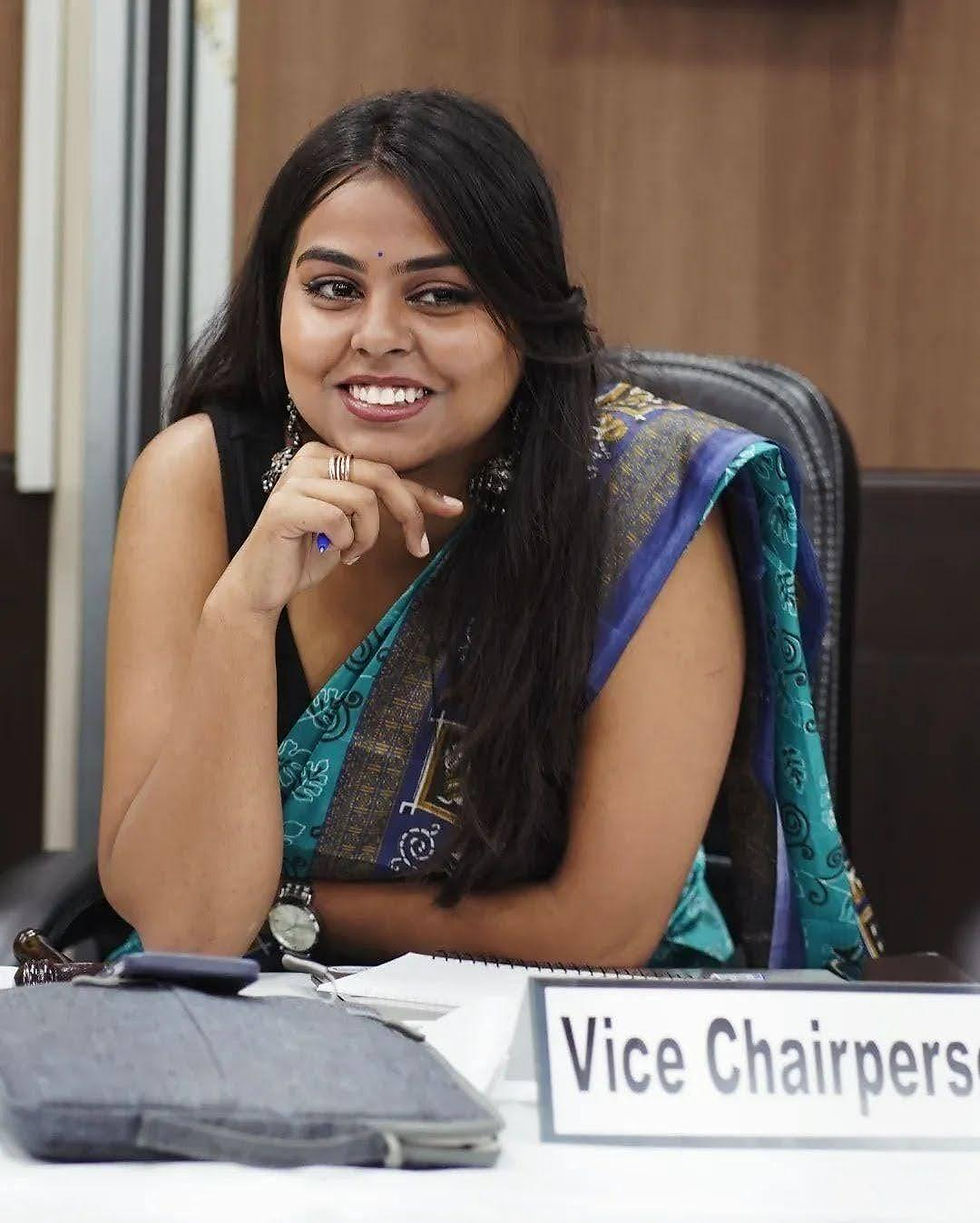
In workplaces the solution is not complicated. Stop judging a woman’s potential based on her appearance or background. Stop stereotyping her before she has even begun. Evaluate her work the same way you evaluate anyone else’s.
Women are not asking for exceptional treatment. We are asking for something far simpler: the ability to belong without constantly proving that we deserve to be there.
And perhaps the simplest principle of gender equality can be summed up like this: “If society has already written a patriarchal rulebook for men, the least they can do now is stop defending every page of it.”
Sometimes progress does not require grand gestures. Sometimes it simply requires stepping aside and making room.
Article written by: Vaishnavi Verma, Millennium Fellow of class of 2024 from University of Delhi South Campus


Comments